
What Is Pilates Good For? A Beginner-Friendly Guide to Strength, Posture, and Pain Relief
Pilates has taken over studios, TikTok, and wellness spaces- but what is it actually good for when it comes to your body? If you’re curious whether Pilates can help you get stronger, improve posture, reduce pain, or simply feel better in your everyday movement, you’re in the right place.
In this guide you’ll learn exactly how Pilates benefits the body based on scientific research including how it affects your core, posture, muscle endurance, back pain, flexibility, and joint health. You’ll also get a quiz to help you choose the right Pilates style for your body.
What is Pilates?
Pilates is a low impact exercise method designed to strengthen the body. Especially the core, through precise, controlled movements and mindful breathing. The goal isn’t to move fast or burn out your muscles. Instead, Pilates teaches you how to move with better alignment, stability, and intention.
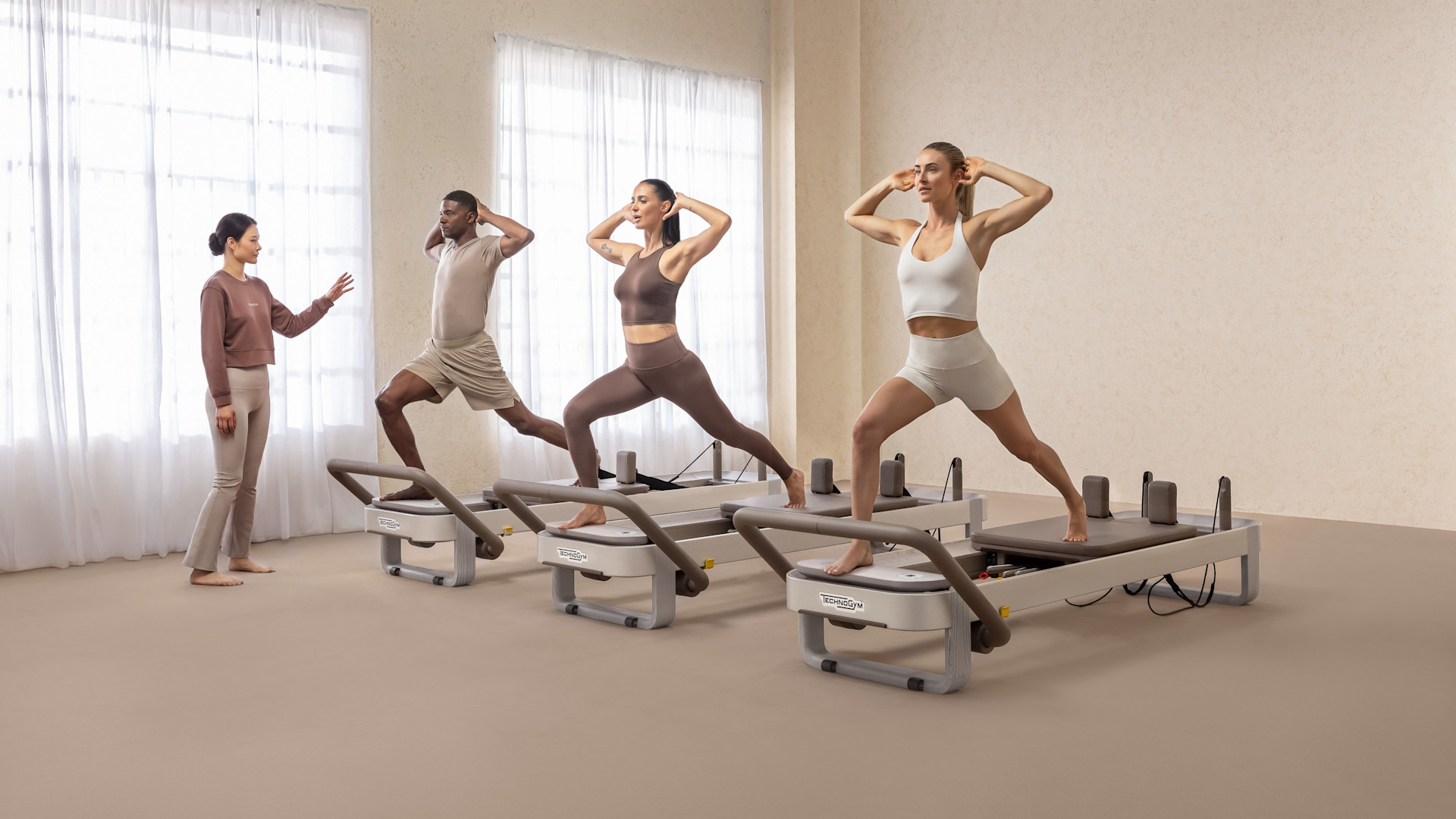
Pilates was created in the early 20th century by Joseph Pilates, who believed that physical and mental conditioning worked together. His original method, “Contrology,” emphasized breathing, concentration, precision, and flow principles still used in modern Pilates today.
Why Pilates Matters for Your Body
Pilates trains your deep stabilizing muscles first. These are the muscles that support your spine, hips, shoulders, and posture. When these stabilizers get stronger your body moves more efficiently and feels less strained during daily activities.
How Pilates Strengthens and Shapes Your Body
Pilates is often known for core strength, but the truth is that it strengthens your entire body in a way that feels supportive and balanced. Instead of lifting heavy weights or high intensity workouts. Pilates uses controlled and intentional movements to build the strength you’ll actually feel in your everyday life.
Here’s how Pilates builds real, functional strength, supported by scientific research.
Builds Deep Core Strength (Not Just Abs)
Pilates is one of the most effective exercise methods for activating the deep stabilizing muscles around your spine and pelvis. These are the muscles that help you sit upright, move with control, and reduce stress on your lower back.
A 2015 study published in the Journal of Bodywork & Movement Therapies found that participants who practiced Pilates showed significant improvements in deep core activation and spinal alignment after just a few weeks of training (Wells et al., 2015; https://doi.org/10.1016/j.jbmt.2015.08.001 ).
Tones and Balances Your Entire Body
Instead of isolating one muscle at a time, Pilates movements require your core, arms, legs, back, and glutes to work together. This creates balanced strength which helps prevent overuse injuries and muscle imbalances.
Research published in the Archives of Physical Medicine & Rehabilitation reported that regular Pilates training improved both overall muscle strength and muscular endurance across multiple groups of participants (Cruz-Ferreira et al., 2011; https://doi.org/10.1016/j.apmr.2011.04.018 ).
Improves Muscle Endurance (Helps You Last Longer in Everyday Activities)
Pilates strengthens your muscles in a way that teaches them to stay activated for longer periods, which is exactly what you need for real life endurance. Think of things like walking up flights of stairs, carrying groceries, standing during long lectures, sitting upright at your desk without collapsing into your lower back.
According to the National Center for Complementary and Integrative Health (NCCIH), Pilates has been shown to increase muscular endurance and physical performance, especially in beginners who are building foundational strength (NCCIH, 2022; https://www.nccih.nih.gov/health/pilates-exercise-for-health).
Counteracts “Phone/Laptop Posture”
Pilates strengthens the muscles between your shoulder blades, improves upper-back activation, and lengthens tight areas of the chest and neck. Over time, this helps naturally reduce rounding in the shoulders and forward-head posture.
A study in the Journal of Bodywork & Movement Therapies found that Pilates significantly improved spinal alignment and postural control in adults who practiced regularly (Wells et al., 2015; https://doi.org/10.1016/j.jbmt.2015.08.001).
Supports Lower-Back Pain Relief
Pilates teaches the body how to distribute force evenly through the core and hips, reducing compensation patterns that often lead to pain. Consistent practice improves spinal mobility and helps your back move the way it is meant to.
A review in the Archives of Physical Medicine & Rehabilitation reported that Pilates significantly reduced chronic low-back pain and improved functional movement when performed consistently (Cruz-Ferreira et al., 2011; https://doi.org/10.1016/j.apmr.2011.04.018).
(Always check with your healthcare provider before starting a new exercise if you have injuries or medical conditions.)
Increases Range of Motion
Pilates is especially helpful for opening tight hips, hamstrings, shoulders, and chest—areas commonly affected by sitting or limited daily movement. Because the core supports each exercise, you safely lengthen the body without forcing any stretch.
A study published in the Journal of Physical Therapy Science found that adults who practiced Pilates regularly experienced significant improvements in hamstring flexibility and overall mobility compared to those who performed traditional stretching alone (Sekendiz et al., 2007; https://www.ncbi.nlm.nih.gov/pmc/articles/PMC5350338/ ).
Find The Best Pilates Style For Your Body
Not sure where to start with Pilates? Different Pilates styles offer different benefits—some focus more on strengthening, others on mobility, and some are perfect for beginners who want slow, gentle movement. To help you figure out which one fits your body and your goals, take this quick, 3-question quiz.
Your personalized result will point you toward the Pilates style that’s the best match for your current needs.
Find the Best Pilates Style for Your Body
1. What is your main goal with Pilates?
FAQs About Pilates and Your Body
- How often should I do Pilates to see results?
Most people begin noticing strength and posture improvements with 2–3 sessions per week. Your body may feel different even after the first few classes, especially in terms of core engagement and alignment.
- Do I need to be flexible to start Pilates?
Not at all. Pilates actually improves flexibility and mobility over time. Many beginners start with tight muscles, especially in the hips, back, and shoulders.
- Can Pilates help with weight loss?
Pilates can support weight loss by building muscle, improving posture, and increasing muscular endurance. While it isn’t a high-calorie-burning workout, it enhances body composition and pairs well with cardio or strength training.
- Is Pilates safe if I have back pain?
Pilates is often recommended for people with mild to moderate back pain because it strengthens core and postural muscles. However, if you have chronic pain or a medical condition, it’s best to check with a healthcare provider before starting.
- Can I do Pilates at home?
You can absolutely start with mat Pilates, which requires no equipment and still delivers major benefits. Reformers add resistance and variety but aren’t necessary for getting stronger or improving posture.